Advanced spread
Pyramid Tarot Spread: A Wide Reading in Fifteen Cards
The Pyramid lays out fifteen cards in levels to separate support, resources, resistance and conclusions. Oráculo offers it in voice consultations.
Quick answer
In short
The Pyramid spread uses fifteen cards to separate support, resources, resistance and conclusions. It's a wide reading for important processes, available in voice consultations.
How to use this reading
Use it for an important question with several factors, not for quick questions. Because of its size, it requires reading groups and relationships before reaching a synthesis.
Card positions
- The querent.
- Two forces in favor.
- Three available resources.
- Four factors against.
- Four conclusion cards.
- Possible final outcome.
Example reading
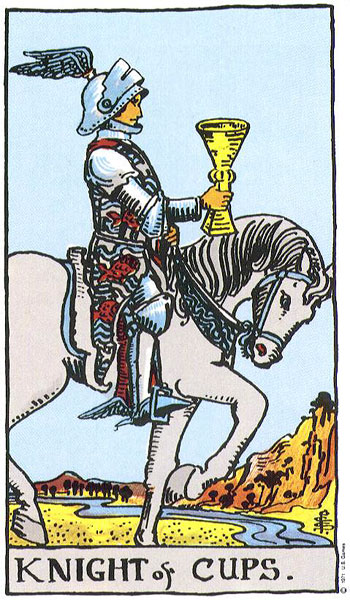
The Querent · upright
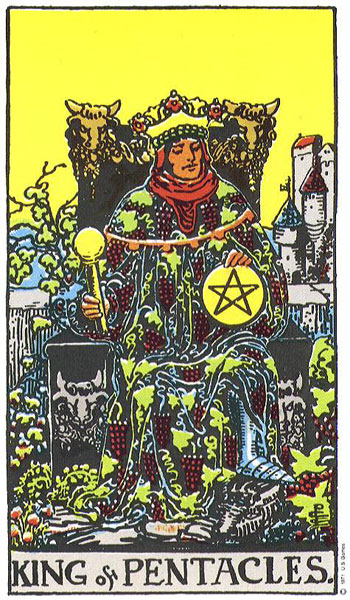
In Favor 1 · upright
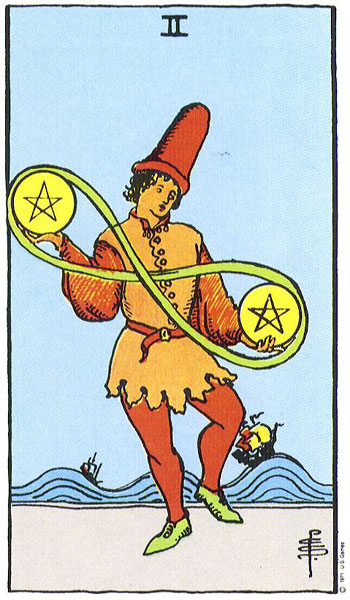
In Favor 2 · upright
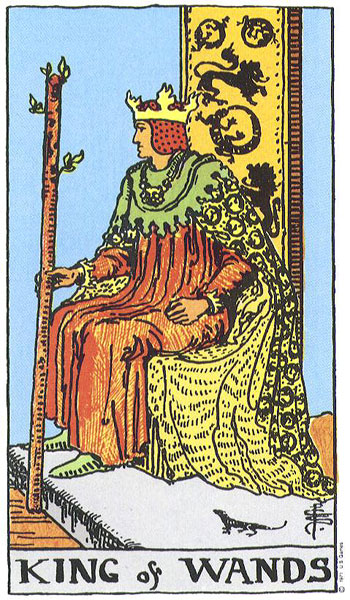
Resources 1 · reversed
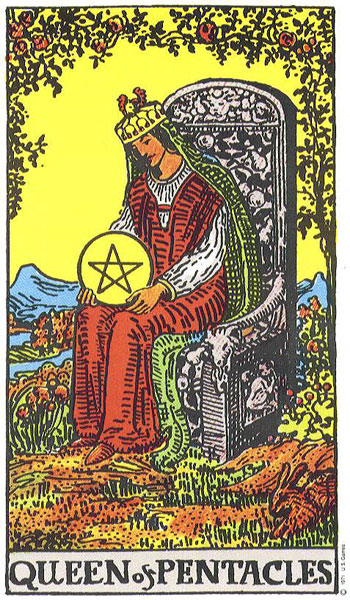
Resources 2 · reversed
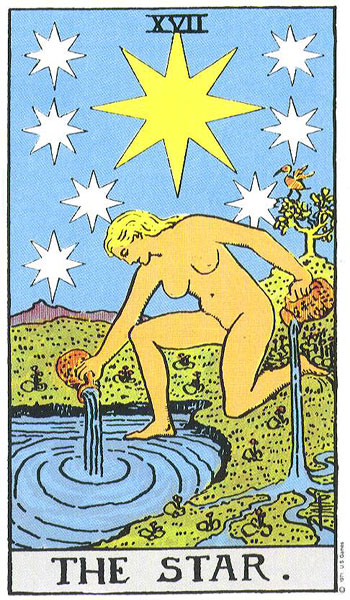
Resources 3 · upright
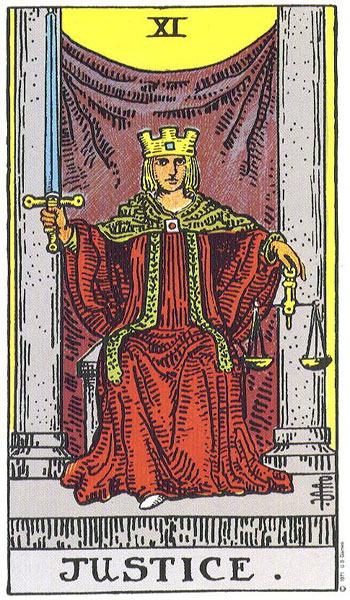
Against 1 · reversed
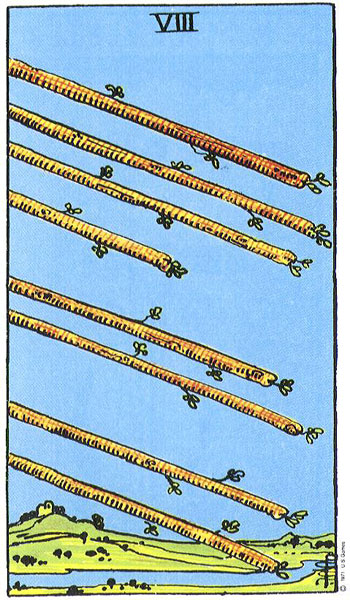
Against 2 · upright
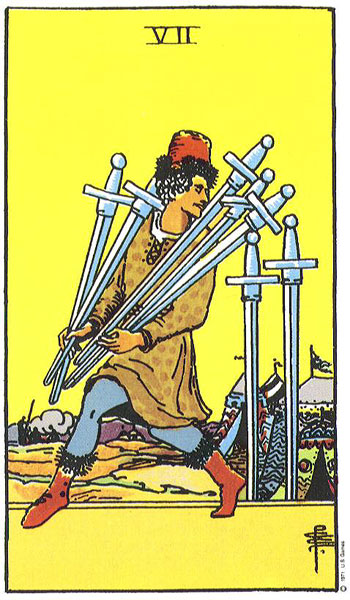
Against 3 · upright
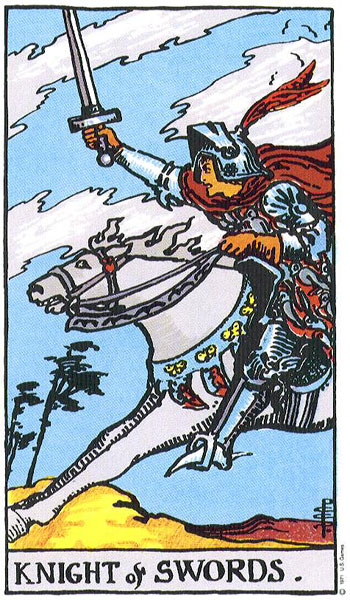
Against 4 · reversed
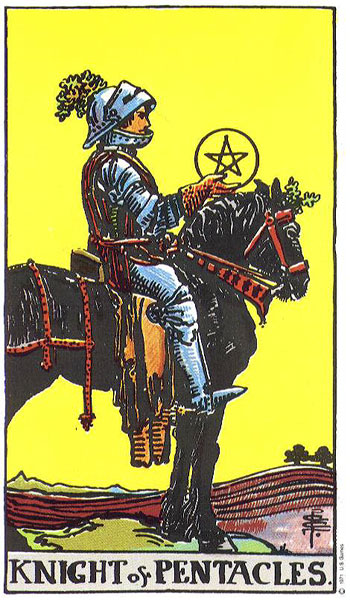
Conclusion 1 · upright
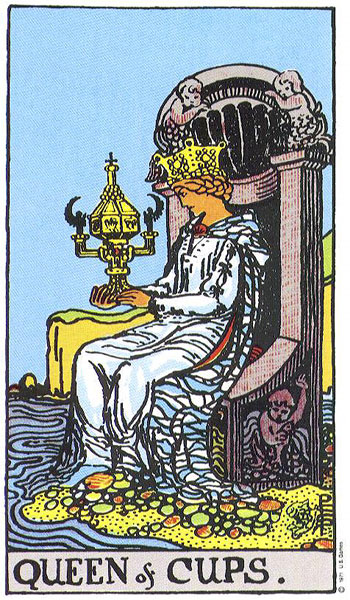
Conclusion 2 · reversed
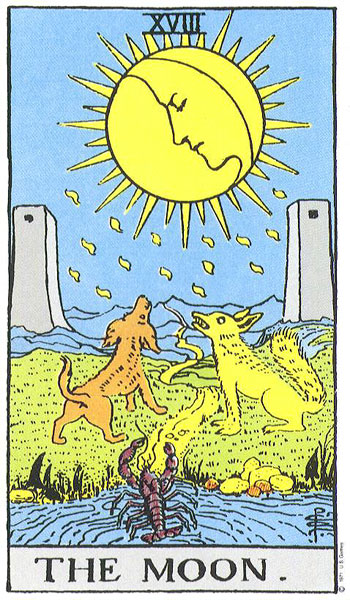
Conclusion 3 · reversed
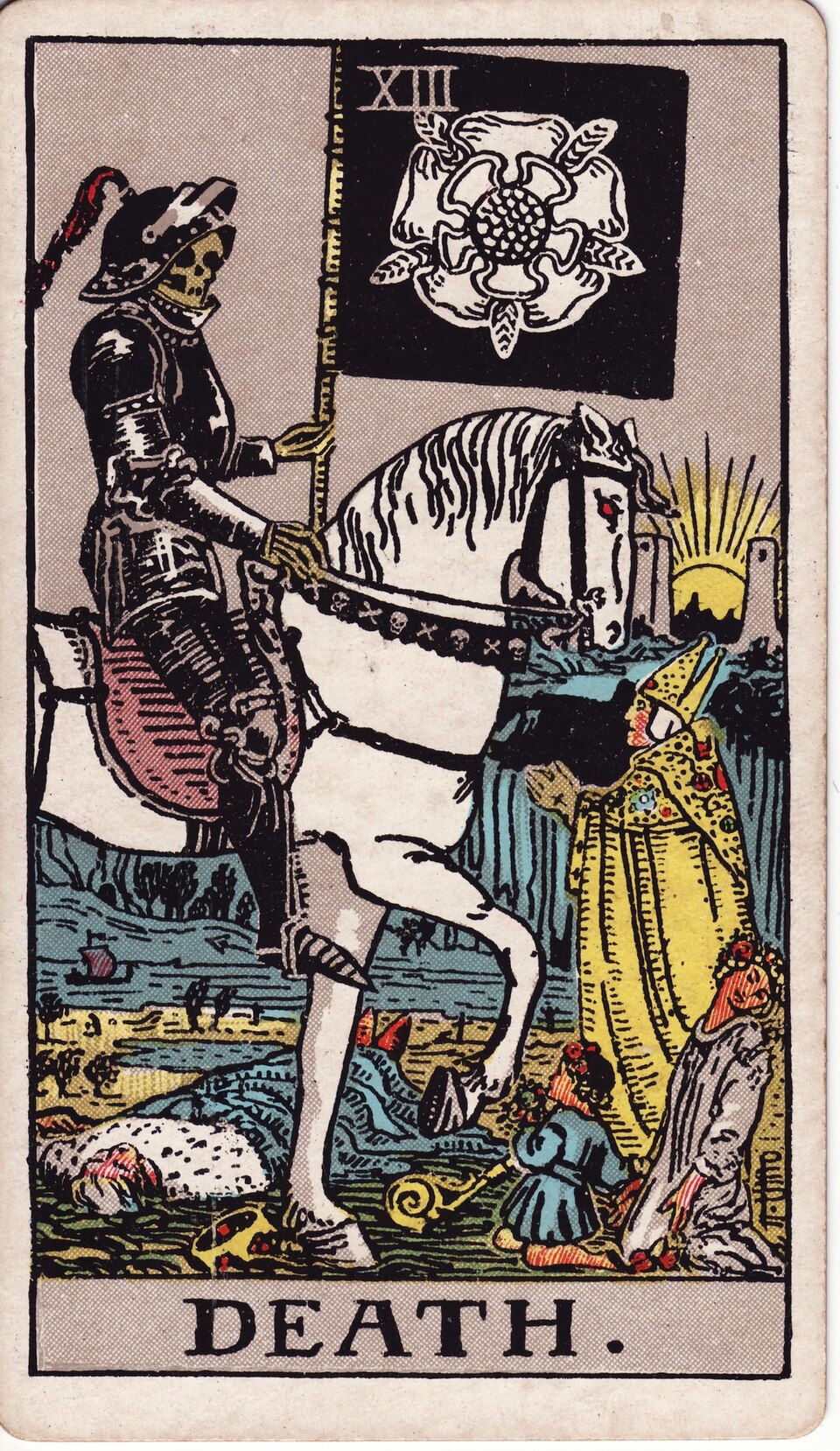
Conclusion 4 · upright
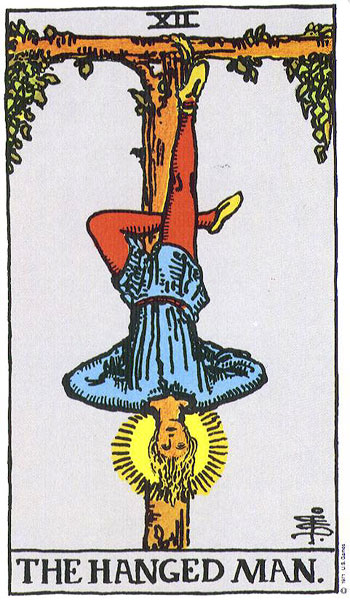
Final Outcome · upright
In this analysis, the King of Pentacles and 2 of Pentacles in In Favor show material resources and adaptation; the Queen of Pentacles and The Star reinforce capacity; while Justice and 7 of Swords in Against ask you to review balance and risks. The Hanged Man in Final Outcome advises pausing and checking real data.
Your reading with Oráculo
Start your reading now
If you still have free written consultations today, use one for free. Want to go deeper by voice? Pick a pack from there.
Go to OráculoYou might also like
Frequently asked questions
How many cards does the Pyramid spread use?
Fifteen cards spread across levels: querent, support, resources, resistance, conclusions and possible final outcome.
What questions is it good for?
For broad matters with many factors. It's not needed for quick questions or when you just want a closed answer.